
USA
Studying in the USA in 2026: F-1, OPT and H-1B, what Indian students should know now
A proposed OPT fee, the $100,000 H-1B fee and social media screening. What's actually in force, what's only proposed, and how to plan your US study from India.
 F-1 visa
The world's leading universities, flexible courses and up to 3 years of work experience for STEM graduates.
The USA has more top-ranked universities than any other country. India now sends more students there than any other nation, so you'll find Indian student associations on almost every campus.
With 50 states, you can choose big cities like New York and Boston, tech hubs like San Francisco and Seattle, or affordable college towns in Texas and the Midwest. Each region has its own climate and lifestyle.
World-leading universities. MIT, Stanford and Carnegie Mellon set global standards.
Flexible study. Choose your major later and mix subjects in a bachelor's.
STEM advantage. Up to 3 years of OPT work for science, technology, engineering and maths graduates.
Research and innovation. Labs and companies that shape global technology.
Scholarships and assistantships. Many master's and PhD students get funding.
Indian community. Student groups, temples and Indian food in every major city.
A starting list. In your consultation we shortlist the ones that fit your marks, course and budget.
| Institution | City | Known for |
|---|---|---|
| Massachusetts Institute of Technology (MIT) | City: Cambridge, Massachusetts | Known for: Engineering, computer science |
| Stanford University | City: Stanford, California | Known for: Computer science, business |
| Carnegie Mellon University | City: Pittsburgh, Pennsylvania | Known for: Computer science, robotics |
| University of California, Berkeley | City: Berkeley, California | Known for: Engineering, data science |
| Georgia Institute of Technology | City: Atlanta, Georgia | Known for: Engineering, analytics |
| University of Illinois Urbana-Champaign | City: Urbana-Champaign, Illinois | Known for: Engineering, computer science |
| Purdue University | City: West Lafayette, Indiana | Known for: Engineering, aviation |
| University of Texas at Dallas | City: Dallas, Texas | Known for: Computer science, business analytics |
| Arizona State University | City: Tempe, Arizona | Known for: Engineering, innovation |
| Northeastern University | City: Boston, Massachusetts | Known for: Co-op programmes, computer science |
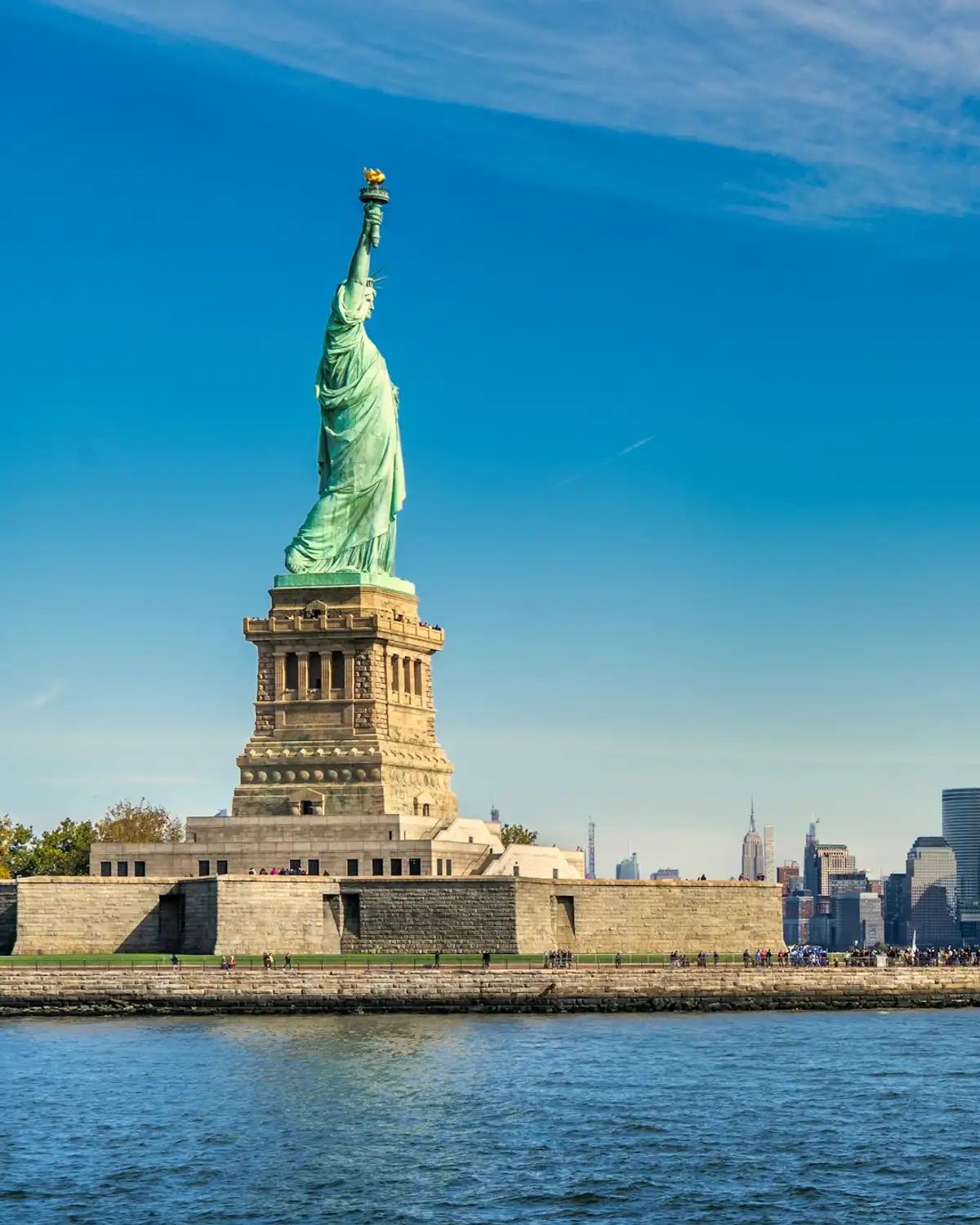
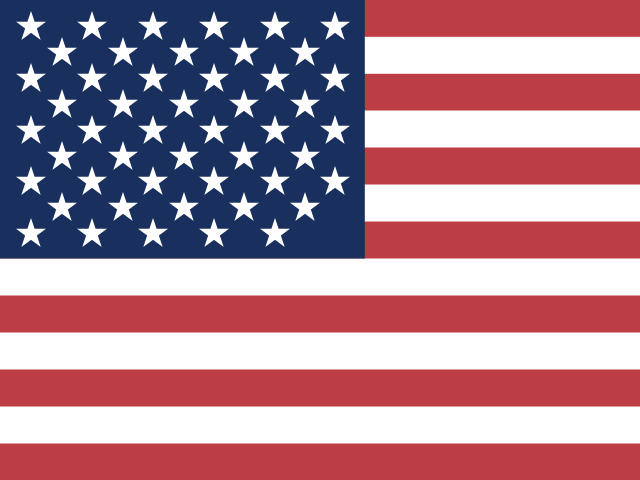
Times Square, Central Park and the Statue of Liberty.
One of the world's great natural wonders, in Arizona.
The Golden Gate Bridge and the world's biggest tech firms.
The White House and free Smithsonian museums.
Lakefront architecture and deep-dish pizza.
Yosemite, Yellowstone and Zion for road trips.
What universities and the visa office ask for. We check your documents against each one before you apply.
Visa conditions, work rights and the routes to stay longer. Rules change often; we confirm the current rules for your case.
Official source:US Department of State – Student visasLast checked 3 November 2026
The steps from India to USA. We handle each one with you.
“My USA study visa success was greatly aided by Better Choice Migration. The process was easy and stress-free because of their professional consultants, quick service, and steadfast support. They made it possible for me to continue my studies at a prestigious US university. Extremely advisable!”
“Better Choice Migration exceeded my anticipations in obtaining my study visa for the United States. The application procedure was easy because of their committed staff, attentive service, and openness. I'm pleased to be a member of such a distinguished US university now. Superb advisory services!”
“My adventure to obtain a study visa for the USA was made possible by Better Choice Migration. Their professional advice, meticulous attention to detail, and timely assistance made the application process easy and stress-free. I'm now a student at a respectable US university. Reliable and strongly suggested!”
USA
A proposed OPT fee, the $100,000 H-1B fee and social media screening. What's actually in force, what's only proposed, and how to plan your US study from India.
You can reapply. We'll review the reasons and help you prepare a stronger case.
Yes, for strong students, especially in STEM, though rules are changing quickly. We'll walk you through the latest position.
Only through CPT linked to your course, or OPT after graduation.
Many universities have made it optional. It depends on the course.
Spouses on F-2 visas cannot work in the USA.
A free first consultation: we review your profile, shortlist courses and universities, and estimate the costs in rupees.