Skip to content
Better Choice
Migration
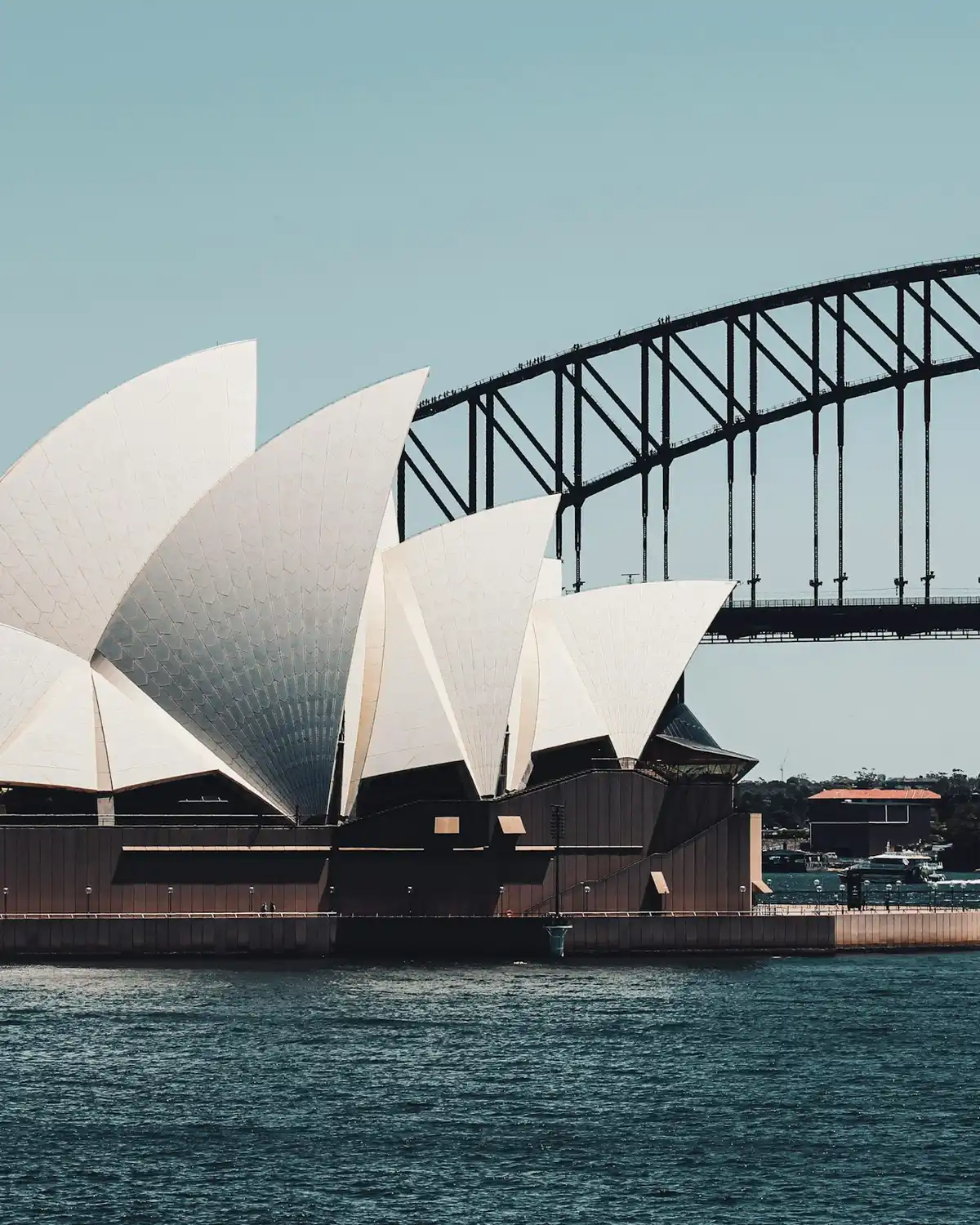
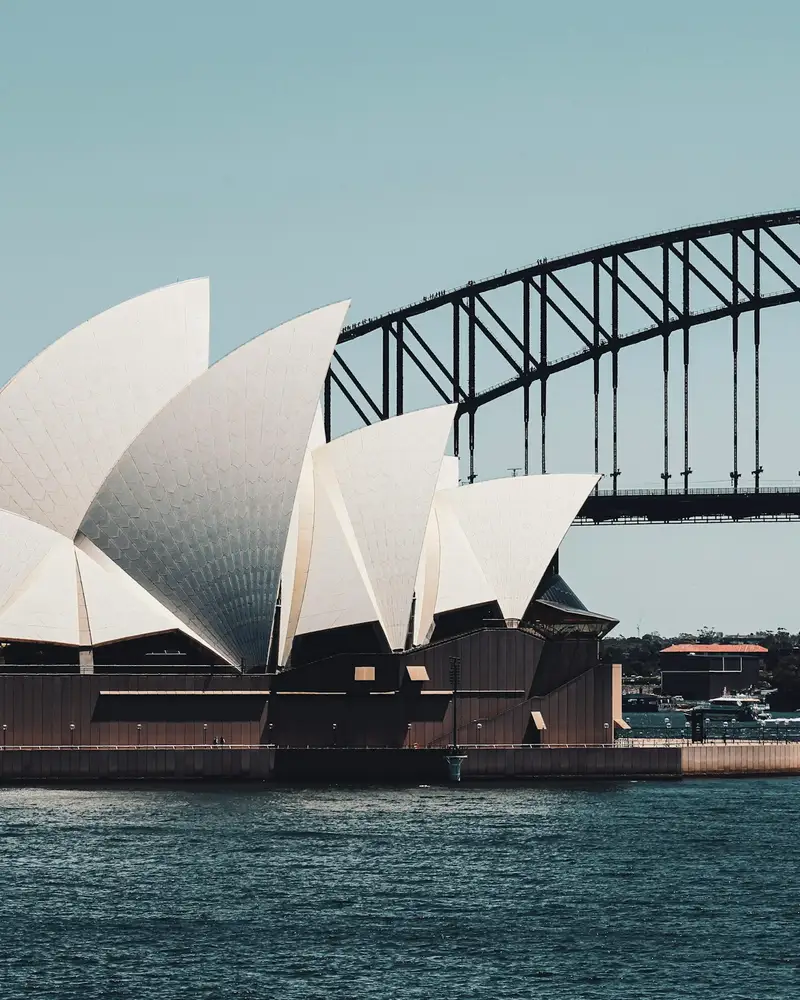
Sydney Opera House sails in front of the Sydney Harbour Bridge
Student visa (subclass 500)

Study in Australia

World-ranked universities, a large Indian community and up to 3 years of post-study work.

Australia at a glance

Visa
Student visa (subclass 500)
Intakes
February and July (some courses in November)
English
IELTS 6.0 overall or equivalent PTE/TOEFL for the visa; many universities ask for 6.5
Work while studying
48 hours per fortnight in term, unlimited in breaks
Post-study work
2 to 3 years on the Temporary Graduate visa (subclass 485); up to 4 years for Indian graduates under AI-ECTA Verify: waiting for sign-off

About Australia

Australia is a safe, multicultural country where nearly one in three people was born overseas. Indians are one of its largest migrant communities, so you'll find temples, gurdwaras, Indian restaurants and Diwali and Holi celebrations in every major city.

Most students live in Sydney, Melbourne, Brisbane, Adelaide or Perth. The climate is mild to warm, the cities are clean and well connected by public transport, and campuses have strong support services for international students.

Why study in Australia

  • Top-ranked universities. Several Australian universities sit in the world's top 100.

  • Work while you study. Up to 48 hours per fortnight during term to help with living costs.

  • Post-study work. Stay 2 to 3 years after graduating to gain Australian work experience, and longer for Indian graduates under the Australia–India trade agreement.

  • A path to stay longer. Skilled and employer-sponsored visas are open to graduates who meet the criteria.

  • Large Indian community. Familiar food, festivals and support close by.

  • Regional benefits. Studying in a regional area can give extra post-study work time and migration points.

Top universities and colleges

A starting list. In your consultation we shortlist the ones that fit your marks, course and budget.

Universities and colleges in Australia, with city and what each is known for
University of MelbourneCity: MelbourneKnown for: Business, law, medicine, research
University of SydneyCity: SydneyKnown for: Health, engineering, business
UNSW SydneyCity: SydneyKnown for: Engineering, IT, business
Australian National University (ANU)City: CanberraKnown for: Research, policy, science
Monash UniversityCity: MelbourneKnown for: Pharmacy, engineering, IT
University of QueenslandCity: BrisbaneKnown for: Life sciences, engineering, agriculture
University of Western AustraliaCity: PerthKnown for: Mining, engineering, sciences
Adelaide UniversityCity: AdelaideKnown for: Engineering, health, wine and agriculture
University of Technology Sydney (UTS)City: SydneyKnown for: IT, design, engineering
Curtin UniversityCity: PerthKnown for: Mining, nursing, business

Life and attractions

  • Sydney Opera House and Harbour Bridge

    The country's most famous sights, with harbour ferries to Manly beach.

  • Great Barrier Reef

    Snorkel or dive the world's largest coral reef from Cairns.

  • Melbourne's laneways and the MCG

    Coffee, street art and cricket at one of the world's biggest stadiums.

  • Great Ocean Road

    A famous coastal drive past the Twelve Apostles rocks.

  • Uluru

    The giant red rock at the heart of Australia, sacred to Aboriginal people.

  • Perth and Rottnest Island

    White-sand beaches and selfies with quokkas.

Entry requirements

What universities and the visa office ask for. We check your documents against each one before you apply.

Academic
Class 12 with 60–65%+ for bachelor's; a recognised bachelor's degree for master's. Requirements vary by university.
English
IELTS 6.0 overall (or equivalent PTE/TOEFL) for the visa. Most universities ask for 6.5 with no band below 6.0.
Genuine Student requirement
Short written answers on why you chose this course, this university and Australia.
Funds
Proof you can cover tuition, travel and living costs.
Health cover
Overseas Student Health Cover (OSHC) for your whole stay.

Immigration rules

Visa conditions, work rights and the routes to stay longer. Rules change often; we confirm the current rules for your case.

While you study
Work up to 48 hours per fortnight during study periods, unlimited during scheduled breaks. Keep attendance and grades up, and stay enrolled.
Partners
From 2 October 2026, most students can't bring a partner or children. Only PhD students, Australian or foreign government scholarship holders, and students from Pacific and ASEAN countries can include family. Family can't be added after the visa is granted.
After you graduate
The Temporary Graduate visa (subclass 485) gives 2 years after a bachelor's or coursework master's and 3 years after a research master's or PhD. You must apply within 6 months of finishing, usually be 35 or under, and meet the English requirement. Indian graduates get longer under the Australia–India trade agreement (AI-ECTA): 2 years after a bachelor's (3 with first-class honours in STEM), 3 years after a master's and 4 years after a PhD. Verify: waiting for sign-off
Regional study
Graduates from regional campuses (for example in Perth, Adelaide or regional towns) may get an extra 1 to 2 years of post-study work.
Staying longer
Graduates can later apply for skilled visas (subclasses 189, 190, 491) through SkillSelect, or be sponsored by an employer (Skills in Demand visa, then subclass 186 permanent residence). Eligibility depends on your occupation, points and English.
Student caps
Australia limits new international students each year, so apply early for your preferred intake.

Official source:Department of Home Affairs – Student visa (subclass 500)Last checked 3 November 2026

Process and documents

The steps from India to Australia. We handle each one with you.

  1. Step 1: English test (IELTS, PTE or TOEFL)
  2. Step 2: Offer letter from your university
  3. Step 3: Genuine Student (GS) answers
  4. Step 4: Funds and education loan
  5. Step 5: Confirmation of Enrolment (CoE)
  6. Step 6: Overseas Student Health Cover (OSHC)
  7. Step 7: Visa filing
  8. Step 8: Biometrics
  9. Step 9: Pre-departure briefing

Documents to bring

  • Valid passport
  • Class 10 and 12 marksheets (and degree transcripts, if applicable)
  • English test scorecard
  • Genuine Student statement
  • Proof of funds (bank statements, education loan sanction letter)
  • Passport-size photographs
  • Confirmation of Enrolment (CoE)
  • OSHC policy

Students who chose Australia

  • “My Australia study visa was approved in a major way thanks to Better Choice Migration. It was an easy application process because of their team's experience and tailored approach. I now attend one of Australia's respected universities because of them. Excellently advised!”
    Suresh · Australia
  • “My goal to study in Australia was realized because of Better Choice Migration. It was a smooth process because of their professional advice and prompt, honest service. Being a part of a prestigious Australian institution now makes me proud. Excellently advised!”
    Sonudeep · Australia
  • “Better Choice Migration impressed me greatly in helping me obtain a study visa for Australia. An easy and stress-free application procedure was made possible by their committed team's excellent help. My study is currently being pursued at a renowned Australian university because of them.”
    Mohit · Australia

Latest on studying in Australia

All blog posts

Australia: questions students ask

Can I get an education loan?

Yes. Most Indian banks and NBFCs fund Australian study, and loan sanction letters count as proof of funds.

Is a gap year a problem?

No, as long as you can explain it with work, study or other activity.

I have backlogs. Can I still apply?

Many universities accept up to 5–8 backlogs. It depends on the course.

Can I bring my spouse?

Since 2 October 2026, only PhD students and some sponsored or scholarship students can include a partner. Most students can't.

How long does the visa take?

Often 4–8 weeks once the application is complete. Apply 3 months before your course starts.

Can I get PR after studying?

There's no automatic PR. Many graduates qualify later through skilled or employer-sponsored visas.

Plan your move to Australia

A free first consultation: we review your profile, shortlist courses and universities, and estimate the costs in rupees.